Top 10 US Stone News Stories of 2025
1. Tariff Dispute: Policy Swings, Industry Pressure
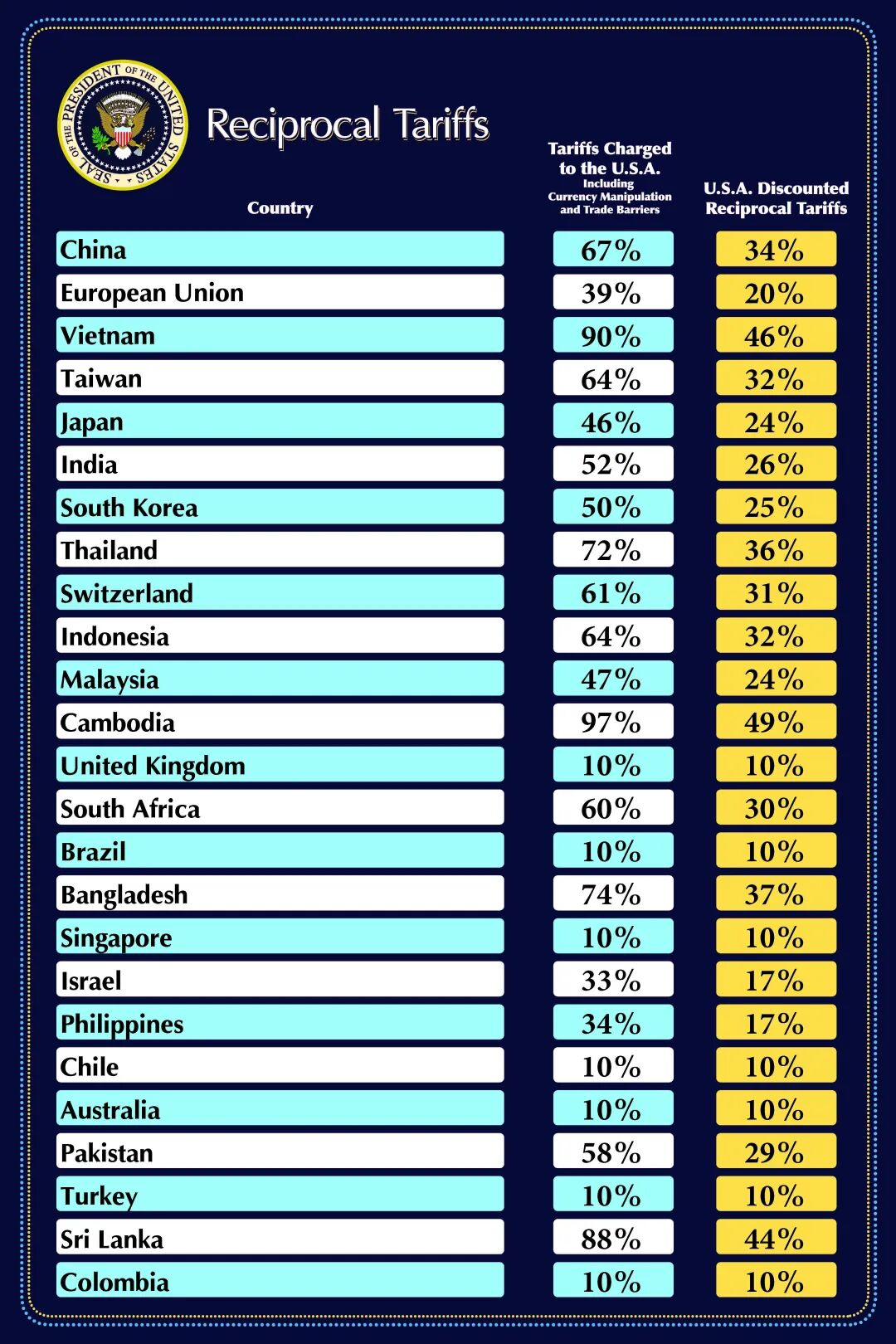
In 2025, the US imposed tariffs on hard surface materials from multiple countries, causing industry turmoil. Initially, Vietnam, Thailand, and China faced high tariffs, which were later partially reduced through negotiations. However, India and Brazil subsequently faced even harsher tariffs, with Brazilian products such as quartzite ultimately receiving exemptions. These tariffs were implemented under the International Emergency Economic Powers Act, but multiple federal court rulings have found the president to have overstepped his authority, and the Supreme Court’s rulings suggest they may be overturned, adding significant uncertainty to the tariff trajectory in 2026. This tariff game profoundly impacted global supply chains and trade patterns.
2. Safeguard Petition: A Trade Protection War by Domestic Manufacturers
In September 2025, three US quartz surface manufacturers jointly filed a Section 201 petition with the US International Trade Commission, requesting a 50% tariff on all synthetic silicon-based surface materials and the implementation of country-specific quotas. This move, aimed at protecting domestic industries from import shocks, is seen as a powerful trade protection measure. The petition has faced opposition from numerous processors and some industry peers, and governments in Canada and Mexico have also expressed concern. The USITC plans to hold hearings and a vote in early 2026, with the final decision resting with the president. This petition could reshape the rules of competition in the US quartz surface market.
3. California’s Silicosis Crisis: A Long Race Between Legislation and Safety
California continues to address the silicosis crisis caused by artificial stone processing. In early 2025, the state government will make silica protection regulations permanent and push for the STOP Act, aiming to establish a mandatory training and factory certification system. However, key provisions of the bill were cut before its signing, weakening its effectiveness. At the end of the year, medical groups called for a complete ban on artificial stone processing, while the International Surface Finishers Association (ISFA) proposed a self-regulatory safety certification scheme in early 2026. This battle concerning worker health continues to seek a balance between mandatory legislation and industry self-regulation.
4. Hard Surface Material Imports Near $5 Billion: Brazil Sees 41% Increase
In 2024, the US imported nearly $5 billion worth of hard surface materials, a 7% year-on-year increase; lower than the levels of 2021 and 2022, when import demand was strong due to the pandemic, exceeding $5 billion in both years. Among these, artificial quartz stone led other materials with $1.6 billion in imports, a 13.9% year-on-year increase. India is the largest supplier of artificial quartz stone. “Other types of natural stone” (including natural quartz stone) saw the highest increase at 19.7%; among them, imports from Brazil saw a remarkable 41% increase. Ceramic tiles saw a slight increase of 1.8%, while granite saw a slight decrease of 0.4%. Brazilian natural stone exports to the US remained strong, reaching $711 million in 2024.
5. Silicosis Diagnosis Challenges: A Hidden Health Threat
A study by the Radiological Society of North America revealed that atypical imaging features of silicosis often lead to missed or misdiagnosed cases, posing a serious hidden threat to workers in the stone (especially artificial stone) processing industry. This discovery serves as a warning to the industry that traditional health awareness is insufficient to provide adequate protection for workers. To address this, institutions such as the Natural Stone Institute (NSI) are collaborating with Yale School of Medicine to develop industry-specific medical monitoring guidelines to promote early screening and protection—a crucial step in the industry’s commitment to social responsibility.
6. Full Outsourcing: Kaiser Stone Closes Last Factory
In November 2025, engineered quartz giant Kaiser Stone announced a major strategic transformation: closing its last self-owned factory in Israel and outsourcing all quartz panel production to global partners. This move aims to optimize cost structure and address declining revenue (down 5.7% year-on-year in the third quarter), with a target of achieving profitability by the third quarter of 2026. The company expects to incur tens of millions of dollars in one-time restructuring charges, but will save approximately $22 million annually in the future. The strategic focus will shift to brand building, expanding the tile product line, and R&D. This marks a complete shift for an industry pioneer to a light-asset operating model.
7. US Tile Market: Weak Demand and Imports
Affected by the cooling US housing market, tile consumption and imports have declined for three consecutive years. However, amidst the overall contraction, imports of high-value Italian tiles bucked the trend, surging by 29%, a stark contrast to low-priced Indian tiles. This reflects a stratification in the US market: price-sensitive items are shrinking, while demand for high-end products focused on design and quality remains robust, providing an opportunity for substitution competition from high-value-added stone products (such as marble and high-end sintered stone).
8. Power Shift: Generational Succession and Strategic Renewal in Leading Enterprises
In 2025, several industry giants, including Coldspring, Cosentino, and Neolith, completed core leadership transitions. This is not only a generational succession in family businesses (such as Coldspring), but also a strategic adjustment by international companies to introduce new leadership (such as Neolith) to address new challenges. The new leaders will lead their companies through multiple challenges, including tariffs, security, and market changes; their decisions will profoundly impact the industry landscape in the coming years.
9. Exhibition Popularity Remains High: A Core Stage for Industry Exchange and Innovation
Despite economic uncertainties, major US stone-related exhibitions (TISE, Coverings, HNA, etc.) remained popular in 2025, with high numbers of exhibitors and visitors. This not only serves as a platform for product and technology launches but also directly reflects industry confidence and recovery vitality. The increase in high-quality educational courses held concurrently with the exhibitions also indicates the industry’s growing thirst for professional knowledge and solutions.
10. MSI’s 50th Anniversary: From Basement Startup to Industry Giant
Industry giant MSI celebrates its 50th anniversary in 2025. Its story of starting with imported granite blocks in a basement and developing into a full-category supply chain giant covering natural stone, quartz stone, tiles, and hardscape is a model of the American Dream in the stone industry. It demonstrates the endurance of a family business, the extreme investment in logistics and services, and the strategic value of diversifying products to adapt to market trends, providing a development model for many stone companies.
Source: Stone Update Magazine